Ghana grows the nut and exports the margin
A large share of Ghana's cashew leaves the country raw, to be shelled and graded elsewhere. The processing margin, and the jobs, go with it.
 Gensap VenturesCashew processing in Sunyani, Ghana
For investors and partners
Gensap Ventures has processed cashew in Sunyani since 2009. We are part-way through replacing a manual operation with a mechanised line, and we are talking to partners about finishing it and running it at volume.
It sets out the business, the stage the expansion has reached, and what partner support would go toward. We are direct about that stage: the line is installed and not yet commissioned. It does not publish our volumes, revenue, or the size of the raise — those go out directly, to identified counterparties, on request.
Email gnsarp123@hotmail.com or use the form below and tell us what kind of partner you are. We will send current figures and arrange a site visit.
Snapshot
The case
The argument is not that cashew is a new idea. It is that the processing step is the part Ghana keeps losing, and it is a solvable equipment-and-working-capital problem.
A large share of Ghana's cashew leaves the country raw, to be shelled and graded elsewhere. The processing margin, and the jobs, go with it.
Sunyani sits in the cashew belt. We buy from farms nearby, which shortens the chain and keeps freight off the raw nut.
We process 0.6 tons of raw cashew nut a day, 3 tons a week, by hand — which caps both volume and whole-kernel recovery. Even without going looking, we field regular unsolicited enquiries from international buyers wanting container quantities every month, and we already know buyers in the UK and the US. We cannot serve them at this scale.
Over 2,000 smallholder farmers in Nsoatre, Domasua, Chiraa, and Wenchi supply us under cooperative agreements, and we supply them fertiliser and training in return. The raw material relationships do not need to be created.
GPSCP II selected Gensap as one of ten Ghanaian agribusinesses, after its own assessment. The equipment standing in the hall is the result.
Third-party validation
Gensap Ventures was named one of ten Ghanaian agribusinesses selected under the Ghana Private Sector Competitiveness Programme (GPSCP) Phase II, a Swiss-government-funded programme run with the Ministry of Food and Agriculture and the Ministry of Trade, Agribusiness and Industry. The programme committed GH¢157.94 million (CHF 9 million) to strengthening the cashew and oil palm value chains.
Graphic Online report, 13 March 2025
Stage
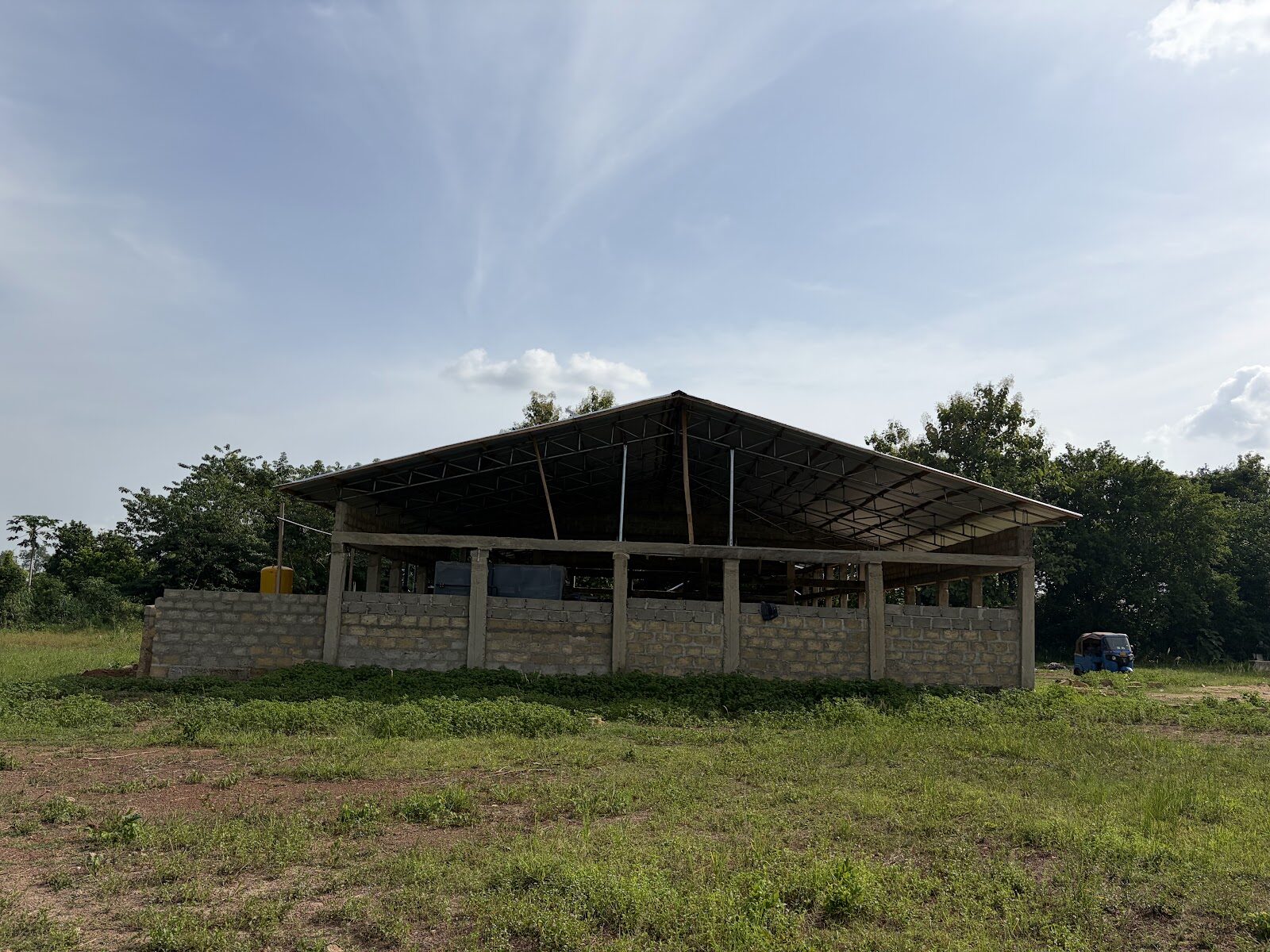
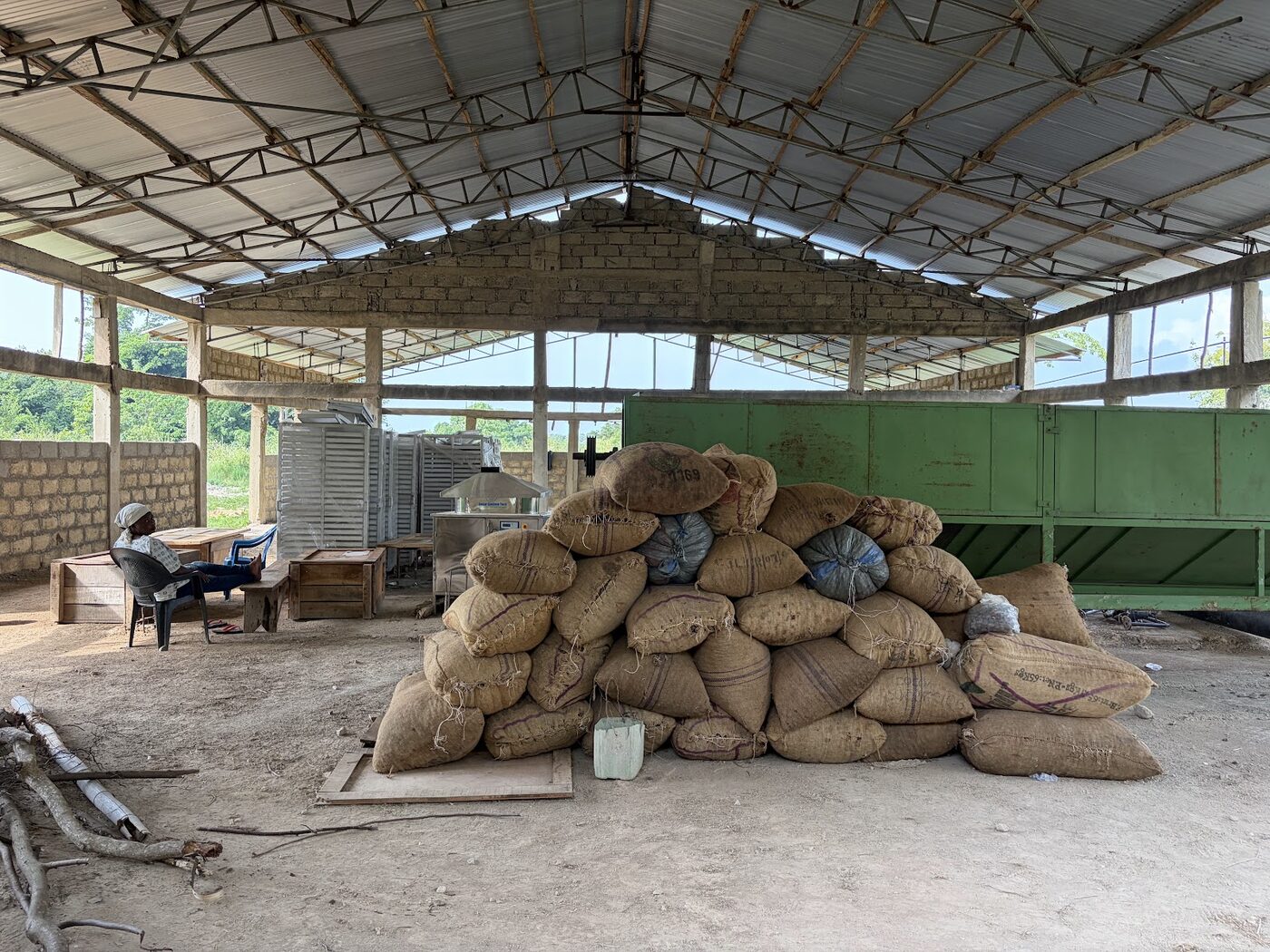
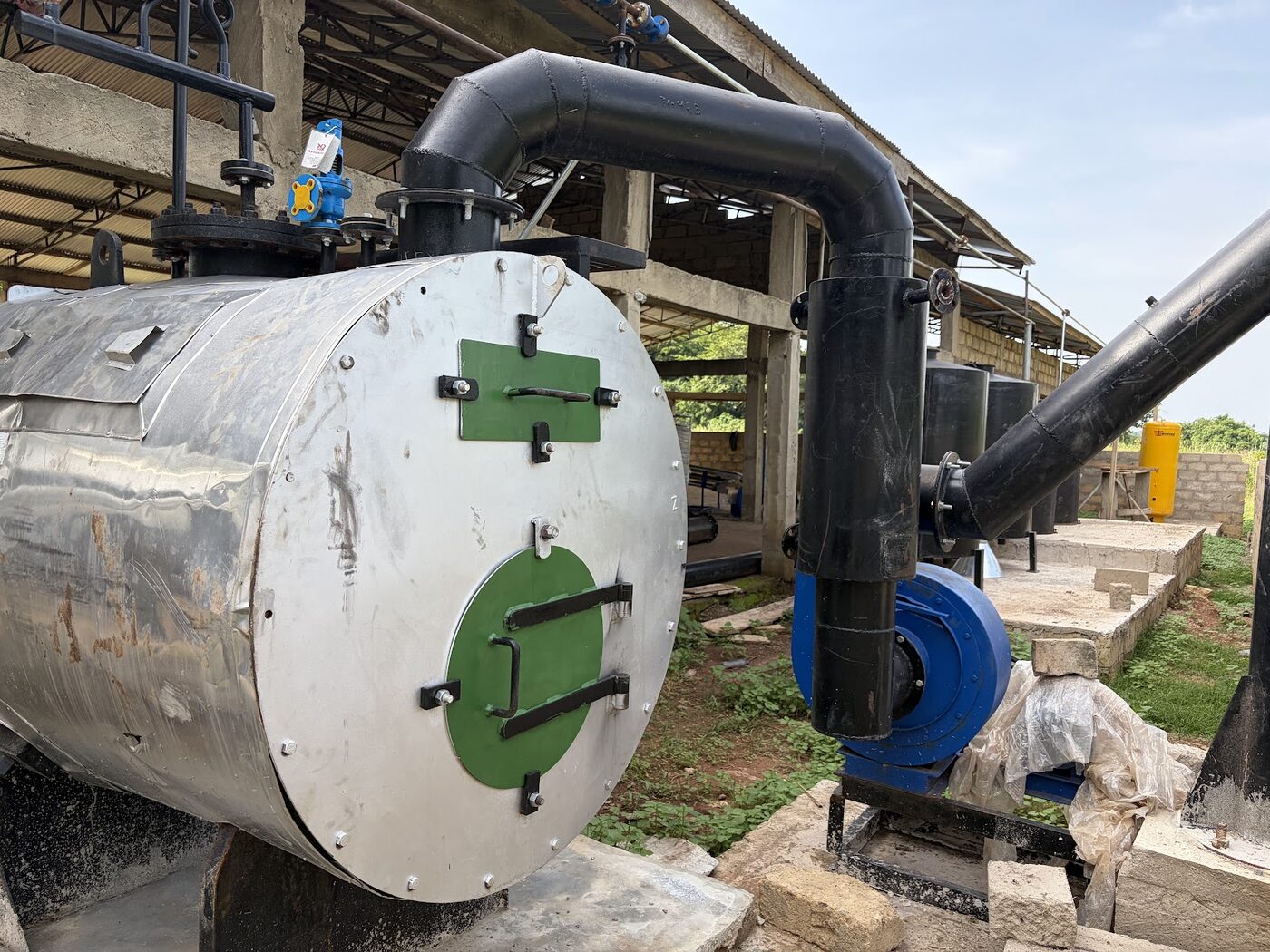
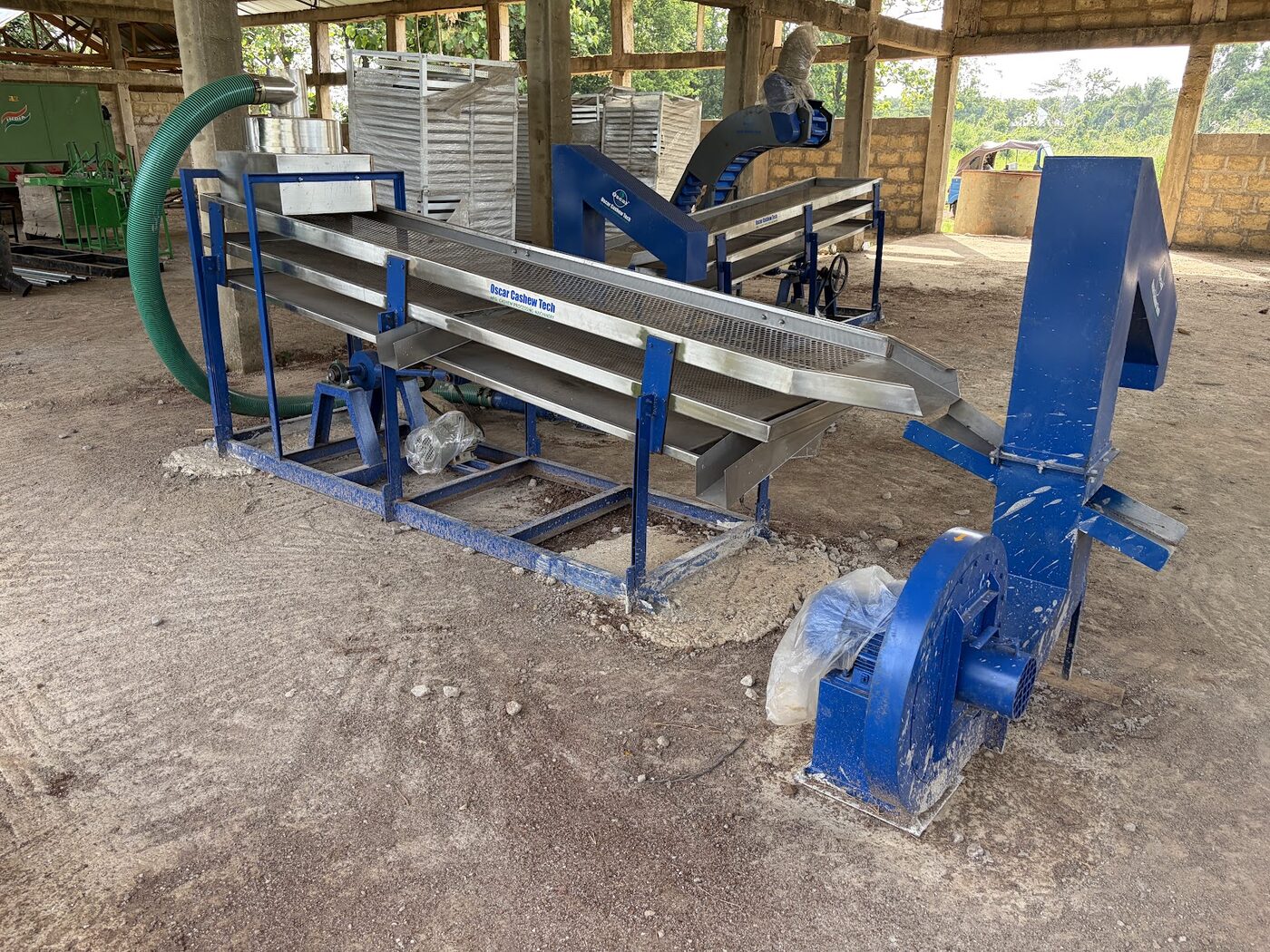
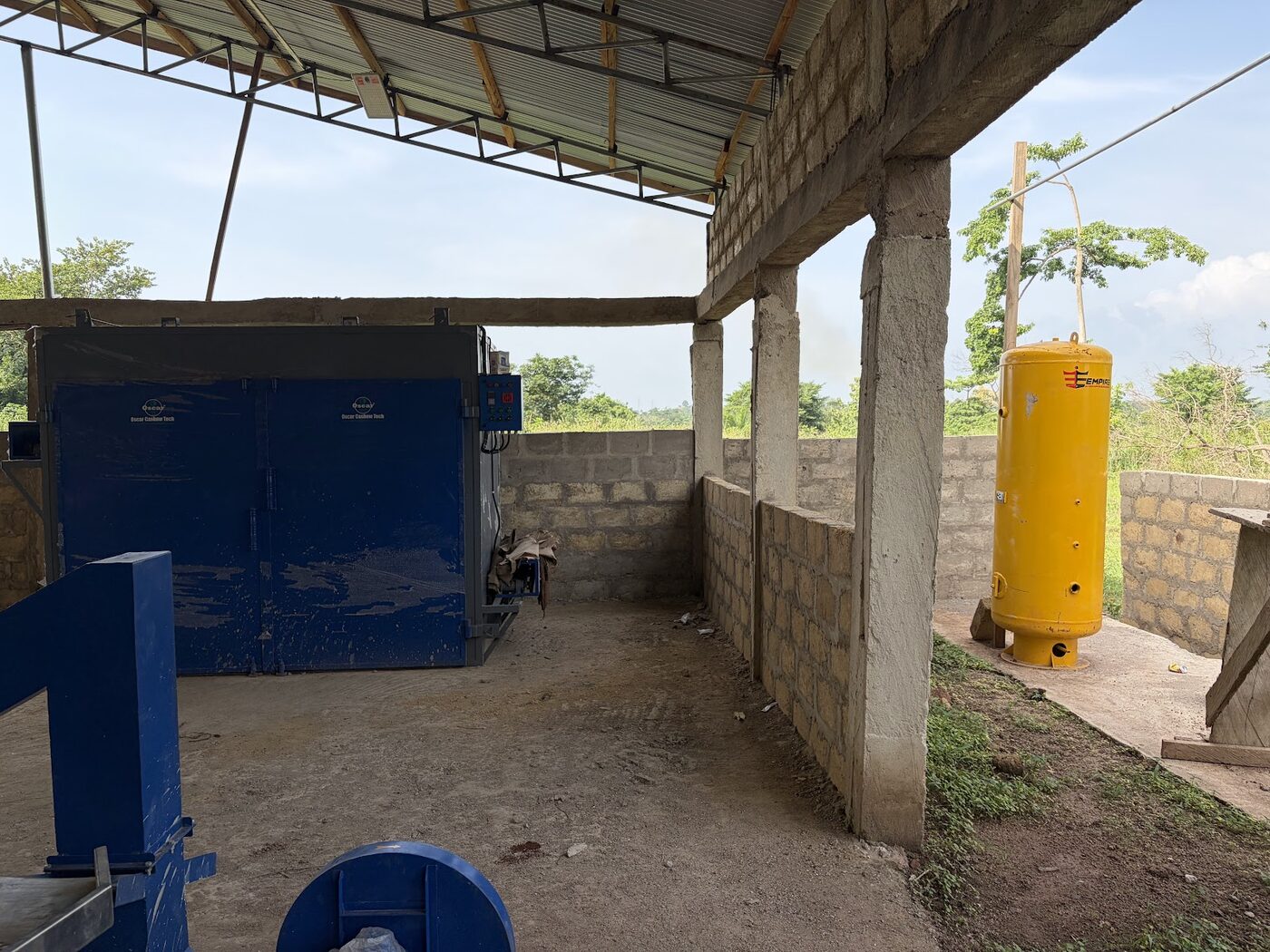
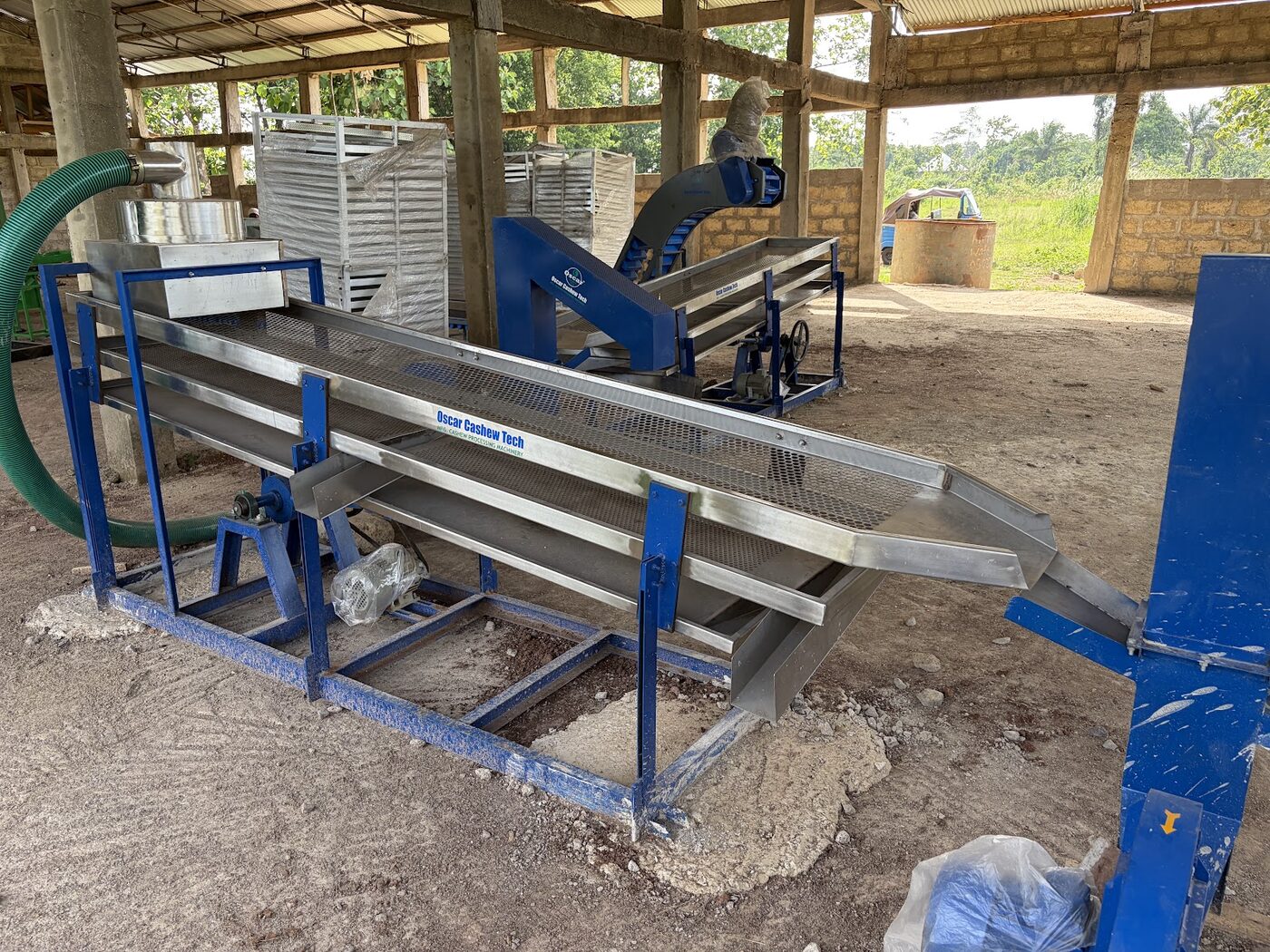
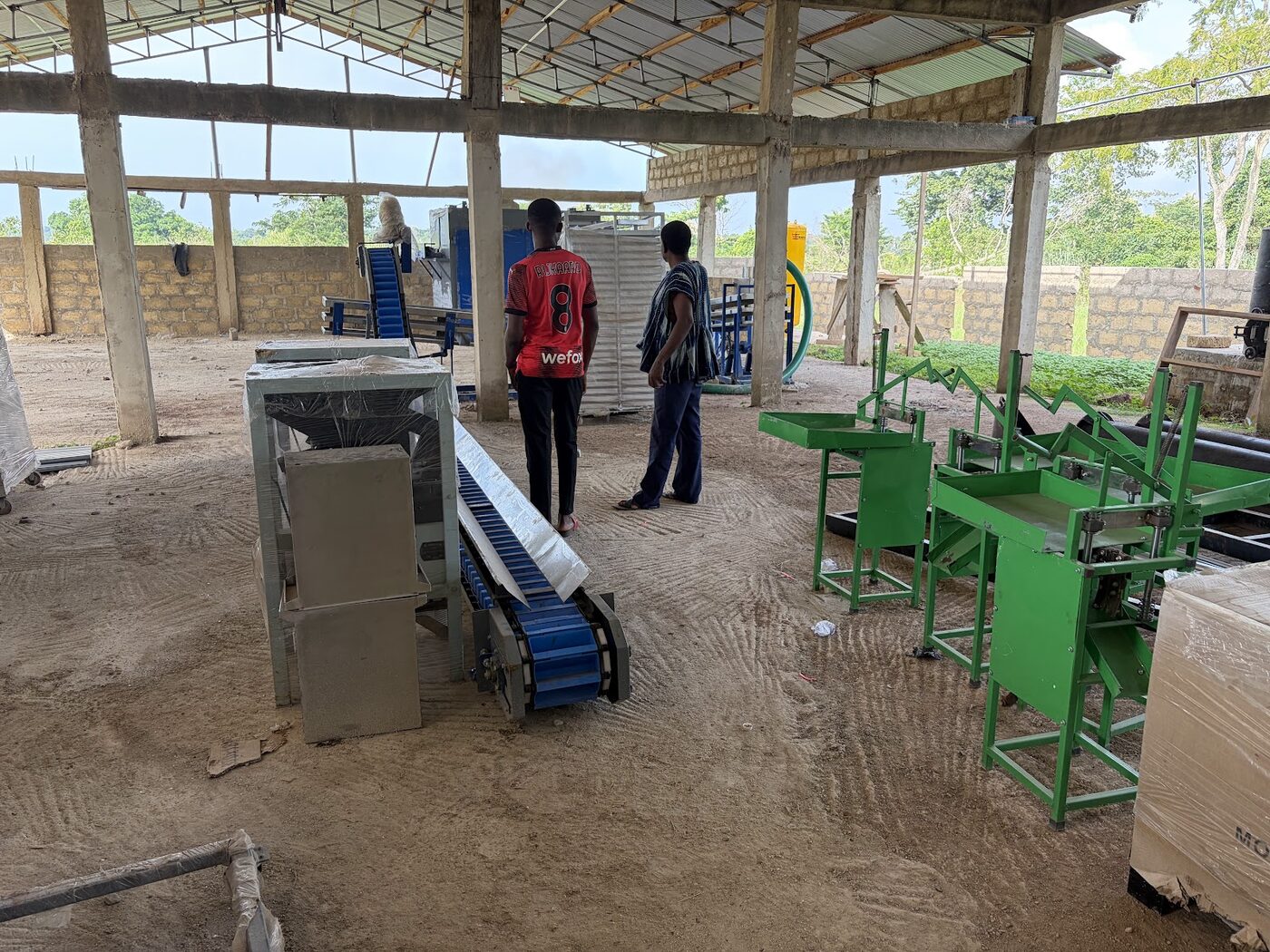
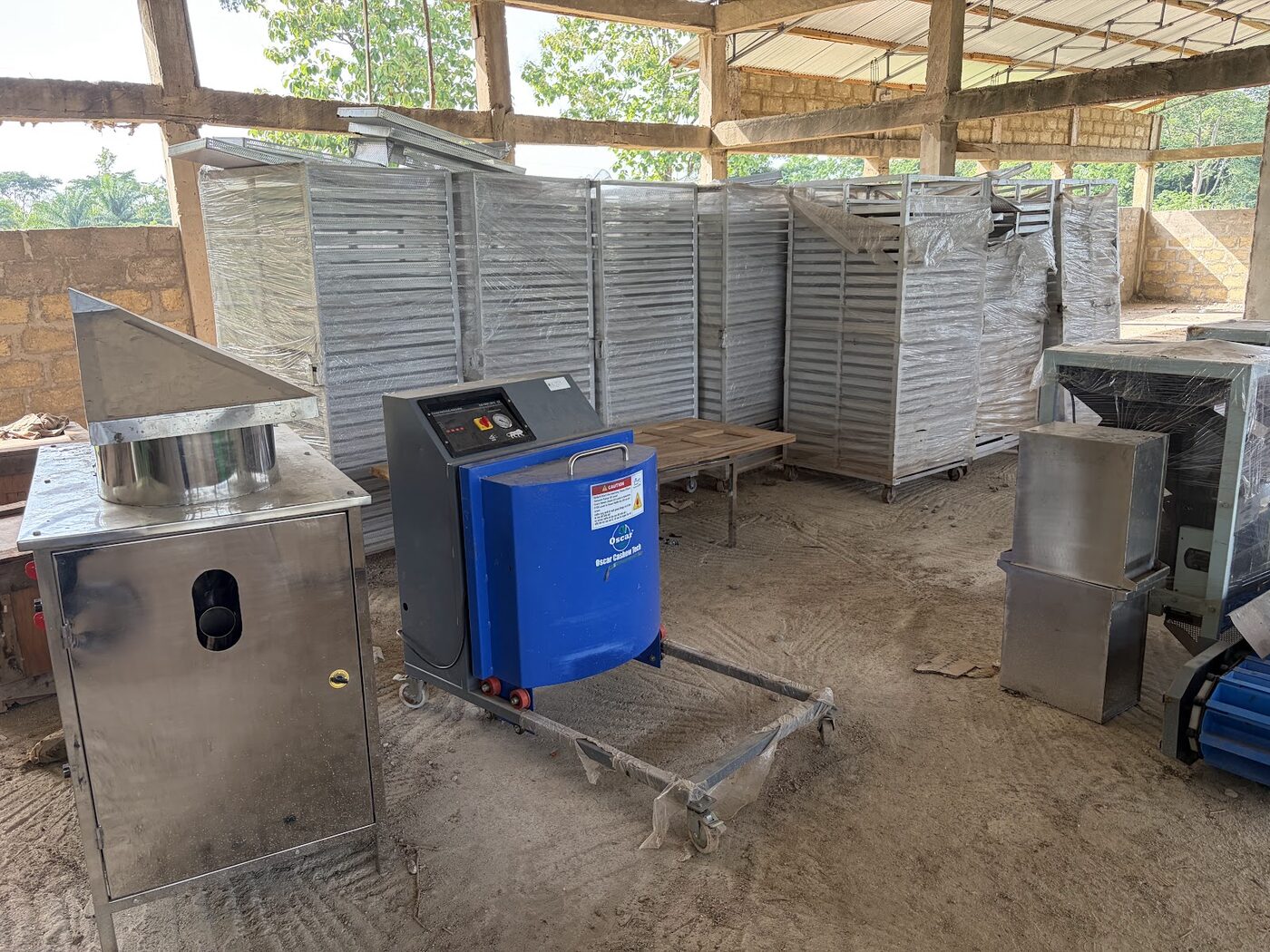
This is a part-built asset, not a proposal. The hall is up and the full line is on site. The machines have not been switched on yet — commissioning is the next step, and it is the gap between an installed asset and a producing one.
1 of 8
Use of support
Two of these matter more than the rest. Commissioning turns installed equipment into output. Working capital matters because raw cashew has to be bought during a short harvest window, months before the processed product is sold.
Objectives
Impact
For development finance partners, the impact case and the commercial case are the same case: processing the nut where it grows.
Investor questions
The processing hall is built and roofed, and the full turnkey line — boiler and steam cookers, shelling machine and separator, Borma drying oven, humidifier, peeling machine, and vacuum packing — has been delivered and installed. The machines have not been run yet. Commissioning is the next step, and it is the thing partner support would move fastest. The photographs on this site are of that equipment, on our site.
Gensap was selected as one of ten Ghanaian agribusinesses under GPSCP II, a Swiss-government-funded competitiveness programme delivered with MoFA and MOTAI. That selection followed the programme's own due diligence.
Since 2009. Cashew processing has been the core activity throughout, supplying the local market from a smaller manual operation.
Finishing commissioning, working capital to buy raw cashew during the harvest window, quality systems and certification, and packaging and storage. The harvest window matters: raw nut must be bought when it is available, months before the processed product is sold.
Ghana grows cashew and exports much of it raw, so the processing margin is captured outside the country. Processing near the growing areas keeps that value, and the jobs, in Ghana.
Email or call. Tell us what kind of partner you are — capital, equipment, offtake, or development finance — and we will send the current figures and arrange a site visit.
Enquiries
We respond to named enquiries with current figures, and we would rather you visited Sunyani than took our word for any of it.
Investor and partner enquiries